
Which Dog Coloring Pages Match Your Pup’s Personality?
 Vera.Calhoun 2025-12-30 11:42:41 17 Views0 Replies
 I’m a content creator and long-time colorist who finally found Dog Coloring Pages that don’t feel cookie-cutter, and I discovered them through ColoringPagesJourney, a brand that treats dogs like characters with quirks, not props with outlines. The set I tried echoed my own pup’s spirit, and that small spark turned a simple hobby into a ritual I actually keep. I’m sharing what worked, why it mattered, and how you can get the same “just right” match without fuss—because when the page fits the dog, your colors flow.
Why Personality-Based Pages Keep You Coloring
The big shift isn’t the subject; it’s the fit. When a scene mirrors your daily life—nose prints on the window, muddy paws after a sprint—you stay with the page longer and finish more pieces. That’s motivation you can feel, not theory on a slide.
What Changes When the Subject Fits Your Life
When a sketch captures a tilt, a blink, a goofy stance, you lean in. Short strokes for wiry fur, soft blends for a sleepy muzzle, a dab of highlight where the nose catches light—little choices snowball into real ownership. Suddenly, you’re not filling spaces; you’re telling a story.
Evidence From Educators and Workshops
In 2025, Elaine Foster, MA (Therapeutic Arts)—an art educator who has run community programs across the UK for 15+ years—reported higher “time-on-task” and satisfaction when the subject felt personal. Across the Atlantic, Thomas Reed, MFA, a studio instructor with 12 years of adult-ed workshops, noted that designs with “breathing room and character cues” keep beginners from quitting at minute seven. Different contexts, same outcome: relevance sustains effort.
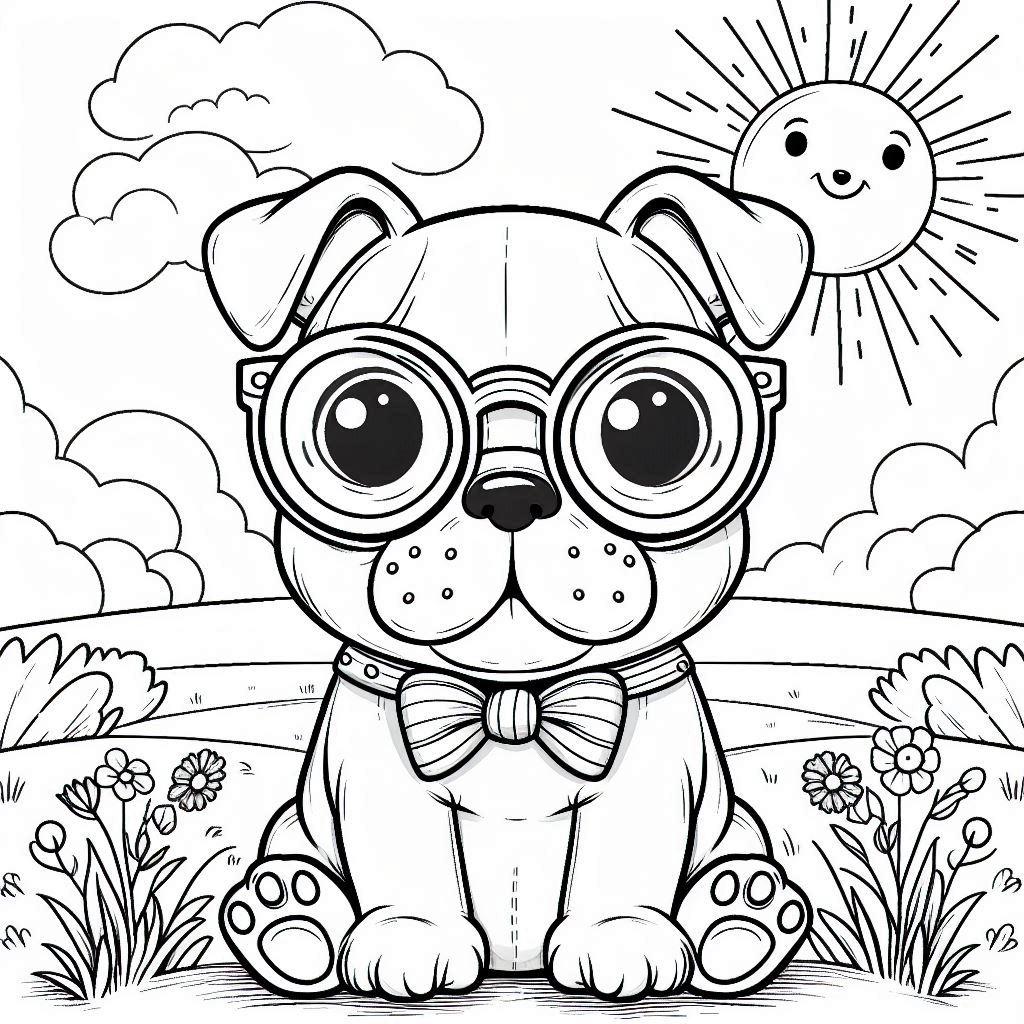
The fit is more important than the topic
A Short Quiz That Cuts Through Choice Overload
Too many options can stall you before you print page one. A brief quiz clears the path by clustering common dog traits into simple starting lanes, so you can color tonight, not “someday.”
How the Quiz Clusters Traits
You tick a few boxes—energy level, social vibe, indoor/outdoor preference—and the quiz groups you by mood: playful, gentle, adventurous, or fashion-forward. It’s like being pointed to the right aisle in a store, not left to wander under fluorescent lights.
Reading Your Result Like a Mood Board
Treat the result as a palette suggestion, not a box. Got a terrier who naps like a cat but detonates at the dog park? Start with a calm sun-spot scene today and a sprint page tomorrow. You’re pairing images to moments, not labeling your best friend.
From Screen to Paper Without Headaches
Once you know your lane, paper and print settings will make or break edge crispness and color payoff. You don’t need fancy gear; you do need a few small, smart choices that pay off on page one.
Paper, Pencils, Markers: What Actually Matters
Heavier paper resists bleed and gives pencils “tooth.” Keep a scrap beside you for test swatches. Pencils blend; markers pop; a colorless blender tidies waxy buildup. Gel pens add tiny sparks to tags and buckles—use sparingly and they sing.
Print Settings and When to Use Dog Coloring Pages Printable
Set your printer to “Best,” scale to 100%, and run a single test sheet. If the lines look ghosted, nudge density up a notch or switch paper. Midway through testing, I learned the brand supports Dog Coloring Pages Printable, which held detail cleanly on home printers. Mid-article note: ColoringPagesJourney also explains paper weights in plain English, saving time, ink, and a bit of sanity.
Profiles: Playful vs. Peaceful
Now that you’ve got a clean print, the quickest win is to color to temperament. Two lanes—play and rest—cover most days without repeating yourself.
Play Scenes (Motion Cues, Color Blocking)
Think rolling tennis balls, bubble streams, backyard zigzags. Block mid-tones first, reserve highlights, then add quick directional strokes near paws to “sell” speed. A faint dust smear reads as grass torn up in the moment—simple, effective.
Rest Scenes (Light, Shadow, Soft Blends)
Picture blankets, window light, and that heavy-eyed look dogs get at dusk. Map shadows lightly, stack warm layers, and leave a tiny catchlight on the nose. Less is more; calm pages reward restraint.
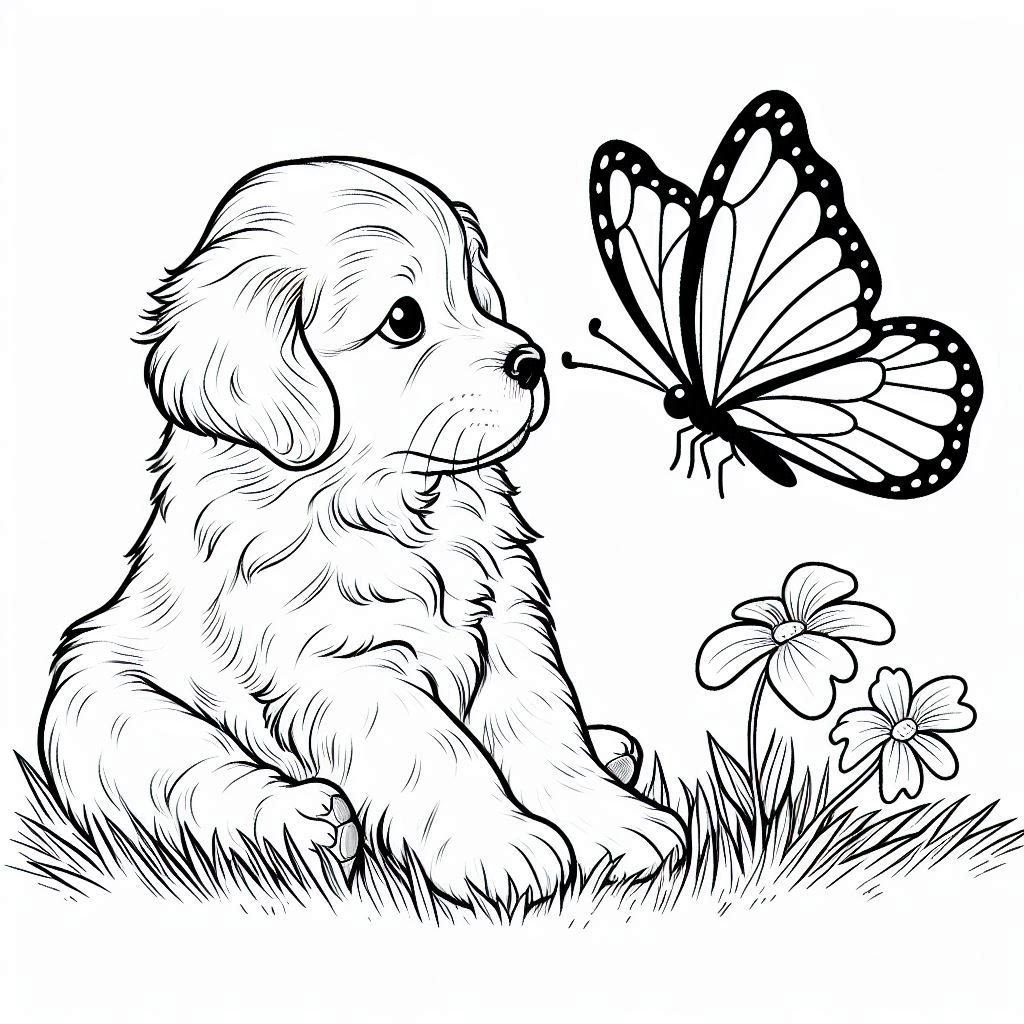
Color to temperament is the fastest way to win, and your print is clean
Explorers vs. Trendsetters
Some dogs live for trails; others love city sidewalks and holiday outfits. You can color both worlds without switching brands or tools.
Nature and Trail Setups
Forest paths, dunes, hilltops. Earth tones for ground; sky blues for depth. Dotting and light cross-hatching create bark texture; a few scuffs under the paws hint at motion on grit or sand.
Urban Backdrops and Outfits
Hats, bandanas, raincoats, tiny boots—add one standout color against balanced grays, and the piece feels modern. A brick pattern or mural splash behind the pose frames the subject without stealing the show.
People Also Ask for First-Timers
Quick answers cut friction, and friction kills momentum. Here are the questions I hear most.
Tools, Age Ranges, Storage
Q: Are these pages good for kids and adults?
A: Yes. Simple outlines suit younger hands; detailed scenes suit older hands. Mixed sets let families color side by side.
Q: How do I keep finished pages safe?
A: Slip them into plastic sleeves or frame a few favorites. A binder near the sofa keeps the habit within reach.
Technique Quick Fixes
Q: My pencil looks waxy—now what?
A: Lighter layers reduce bloom. A colorless blender evens shine without smearing.
Q: Can I mix markers and pencils?
A: Markers first, pencils on top. That order keeps edges clean and paper tidy.
Real Users, Real Pages
Authentic results carry more weight than product copy. The community feedback I’ve seen feels candid, specific, and useful.
Parents and Teachers
“Third-graders locked in for twenty minutes flat,” wrote Marissa H., elementary teacher, Dublin, after a rainy-day session. “We matched calmer scenes to indoor recess, and the room settled without me raising my voice.”
Doug P., Miami dad, posted a beagle in a cowboy hat colored with his son: “We argued about the hat color, then colored two hats. Problem solved. We laughed harder than we colored.”
Adult Colorists
Ivy L., Toronto, shared a brindle rescue portrait: “Short, quick marks with a dull gold pencil did the heavy lifting. It finally looks like her.”
Rafael, Madrid, uploaded a city-scene Frenchie: “Clean sidewalks, bright leash, tiny collar tag highlight. My apartment feels bigger with this on the shelf.”
A Two-Session Starter Plan
Habits stick when the bar to start is low. Two sessions—one fast, one slow—offer contrast without overwhelm, which keeps you coming back.
Session One: Fast and Loose
Pick a chase scene. Block big colors first, add motion lines last. Don’t fuss; speed is the point. Ten minutes counts.
Session Two: Slow and Steady
Pick a sun-spot nap. Map shadow shapes lightly, layer warm hues, and stop before you overwork the fur. Calm pages reward a lighter hand.
Creativity, Routine, and Well-Being
You don’t need a studio. A coffee table, decent light, and a pencil case are enough. Small, steady wins beat one “perfect” afternoon you never schedule.
Stress Relief in Minutes
A 2025 recreational arts survey from several US community centers noted better mood markers after short, regular coloring sessions—not marathons. Familiar subjects—dogs, parks, home corners—added a measurable bump in engagement.
Bonding You Can Feel
Some nights my dog snores under the table while I color his look-alike on paper. It sounds cheesy; it works. You notice markings you usually miss, and the next walk feels a touch more present.
A Light Gallery Habit That Builds Momentum
Progress is easier to see when you can flip it.
Keep a Slim Binder Near the Sofa
Slide finished pages into sleeves, date the corner, and call it done. A month from now, you’ll see shifts in shading, color choices, and patience you can’t spot day to day.
Share Without Pressure
Post one page a week in a hobby group. Ask for a single tip, not ten. Folks in the same boat will cheer you on and share tricks that actually land.
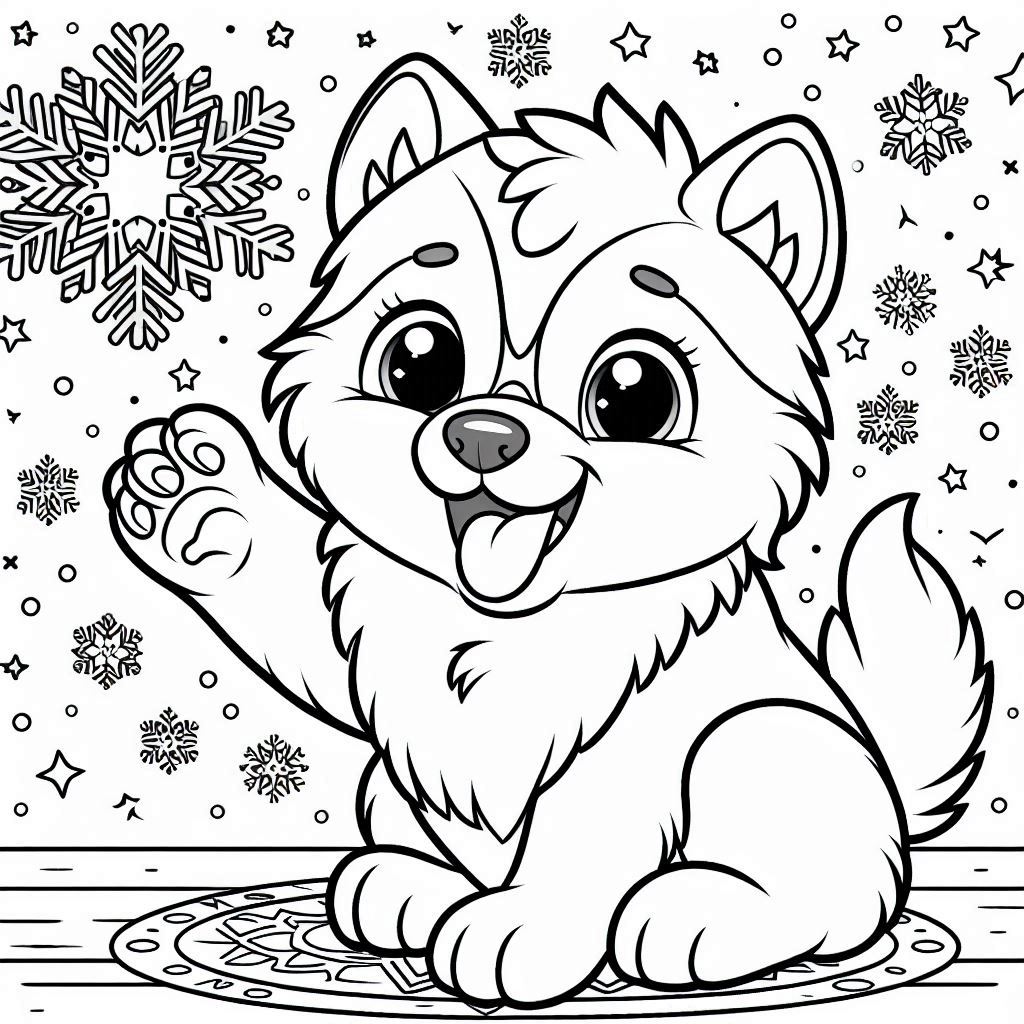
Post a page in a hobby group once a week
Where to Look Next (Clear Paths Forward)
You’ve got a lane, a print routine, and a plan. Now you need a place to start fresh without getting lost in the weeds.
Straightforward Ways to Choose
Pick one “play” sheet and one “rest” sheet. That micro-variety keeps things lively. If your dog’s a trail hound, add a forest path. If your place feels urban, try a stoop or crosswalk scene.
A Simple Guide Before You Jump
Skim a short catalog organized by vibe, scene, and difficulty; it keeps the decision tree short and sweet. You can explore more at https://coloringpagesjourney.com/dog-coloring-pages as a direct path to the same kind of sets I used—choose a page that feels like your living room, your park loop, or your kitchen corner.
Closing Thoughts
Finding Dog Coloring Pages that match your dog’s temperament can turn a quiet quarter hour into a keepsake you’ll want to frame. I came for a hobby and stayed for the fit, the finish, and the steady rhythm it brought to my week. Credit where it’s due: ColoringPagesJourney built the pages that made it easy to begin and simple to stick, and that’s the ballgame for busy people who still want to make something with their hands.
