


Conductive Stainless Thread (9Ω)
- $7.30 3+ items
- $7.10 5+ items
- $6.90 10+ items


Introduction
Conductive Stainless Steel Sewing Thread is a flexible stainless fiber textile conductor designed for wearable electronics, smart garments, and experimental textile circuits. The conductive sewing material combines traditional stitching functionality with stable electrical performance, enabling signal routing and low-current power delivery directly through fabric. With approximately 9Ω resistance per meter and a 0.45mm diameter, this stainless fiber thread balances conductivity with sewing durability. The conductive textile strand also features strong thermal tolerance and corrosion resistance, supporting repeated use in soft electronic assemblies such as interactive clothing, sensor fabrics, and DIY wearable prototypes.
Note: the thinner the wire, the more resistance it offers.

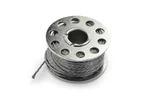
Figure: Conductive stainless steel sewing thread used for wearable electronics and textile circuits
Low-Resistance Textile Conductor for Soft Circuits
This stainless fiber sewing conductor provides approximately 9Ω resistance per meter, allowing stable signal transfer and small-current power delivery through fabric structures. The conductive textile thread can replace traditional wires in lightweight wearable electronics, enabling stitched electrical paths for LEDs, sensors, or capacitive touch areas. Smooth metallic fibers ensure consistent conductivity while maintaining flexibility suitable for sewing machines or hand stitching.
High Temperature and Corrosion Resistance
Stainless steel fiber construction provides strong resistance to heat and oxidation. The conductive thread tolerates temperatures up to 650°C with a melting point reaching 1350°C, making the material suitable for demanding environments or experimental textile electronics. Durable metallic composition ensures long-term stability even after repeated bending, friction, or exposure to air and moisture.
Washable and Reusable for Wearable Electronics
This conductive textile filament supports washable smart garments and reusable fabric-based circuits. Stainless steel fibers resist corrosion and maintain electrical continuity after washing, making the thread suitable for wearable prototypes, antistatic clothing, and interactive fashion projects. The flexible metallic strand integrates easily into fabrics while maintaining structural strength during repeated use.
Typical uses include touchscreen gloves, anti-static garments, wearable electronics circuits, conductive embroidery, and small-current electronic connections such as LED stitching. The stainless steel conductive sewing material also serves as a reliable textile conductor for interactive clothing, experimental e-textiles, and creative smart fabric projects.
Features
- Low resistance and stable resistivity
- High-temperature resistance 650°C, melting point 1350°C
- Safe to wash, reusable
Applications
- Wearable electronic circuits
- Touchscreen gloves
- Anti-static clothing
- Conductive embroidery and textile circuits
- LED stitching projects
- Smart clothing prototypes
Specification
- Wire Resistance: 9Ω/m
- Length: 7m
- Diameter: 0.45mm
Shipping List
- Conductive Stainless Thread (9Ω) x1
