


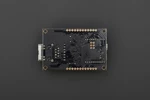


XBoard V2 IoT Development Board with Ethernet & XBee Support (ATmega328P)
- $19.50 2+ items
- $18.50 5+ items
- $17.00 10+ items
Introduction
X‑Board V2 is an Arduino‑compatible development board designed to combine Ethernet networking and wireless communication in a compact embedded controller. Powered by an ATmega328P running at 16MHz and equipped with a WIZnet W5100 Ethernet controller, this network‑enabled microcontroller platform simplifies the creation of connected hardware projects. The integrated XBee socket and RF module compatibility enable wireless communication alongside wired internet connectivity. Operating at a standard 5V logic level, this IoT‑ready controller board works directly with common sensors and I2C peripherals without voltage level conversion, making integration into automation, robotics, and data‑logging systems straightforward.
Integrated Ethernet Networking
A built‑in WIZnet W5100 Ethernet controller provides stable TCP/IP connectivity for embedded internet applications. This network‑capable microcontroller board supports direct connection to routers or local networks via a standard Ethernet interface, enabling deployment of embedded web servers, remote monitoring dashboards, or cloud data publishing. Through Ethernet communication, this connected hardware controller can exchange sensor data with remote systems, publish updates to online services, or interact with other controllers across a network infrastructure for distributed automation projects.
Wireless Communication via XBee and RF Modules
An onboard XBee socket expands the capability of this Arduino‑compatible controller with wireless networking support. Compatibility with XBee modules allows deployment in mesh or point‑to‑point wireless systems, enabling remote device communication in robotics, automation, or environmental monitoring. The embedded socket also supports APC220 RF modules and DF‑Bluetooth modules, providing multiple wireless connectivity options from a single development platform. Such flexibility makes this embedded networking board suitable for wireless control systems, sensor networks, and remote telemetry applications.
5V Sensor Compatibility and Flexible Programming
Version 2.0 introduces a 5V operating logic level, allowing direct compatibility with most sensors and I2C peripherals without additional voltage converters. This microcontroller development platform includes 8 digital I/O pins and 8 analog inputs, supporting diverse sensing and control tasks. Firmware development follows the familiar ecosystem of Arduino, thanks to the Arduino Uno bootloader. Programming can be performed through an FTDI programmer or the ICSP header, while Mini USB power input simplifies system integration and rapid prototyping.
Combining Ethernet networking, wireless module support, and sensor‑friendly 5V logic, this embedded IoT controller enables rapid development of connected hardware systems. Typical deployments include home automation gateways, wireless robot control systems, remote environmental monitoring nodes, and networked data‑logging platforms. The integrated communication interfaces allow distributed devices to exchange data locally or publish information to online services, enabling flexible Internet‑of‑Things experimentation and prototyping.
Features
Applications
Specification
Basic Parameters
Informational LED